top of page

Happy new marking period, everyone! With the fresh start, it’s a great time to check in on grades—if your student has a lower grade than expected, it’s likely due to a missing assignment. Getting those turned in as soon as possible is the best way to improve their score and stay on track. I’m always here to help if anyone needs clarification or assistance!


Where We Were

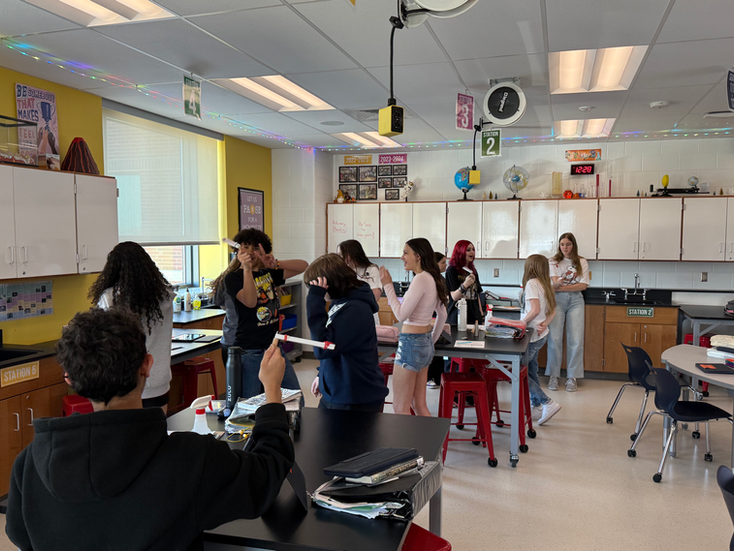
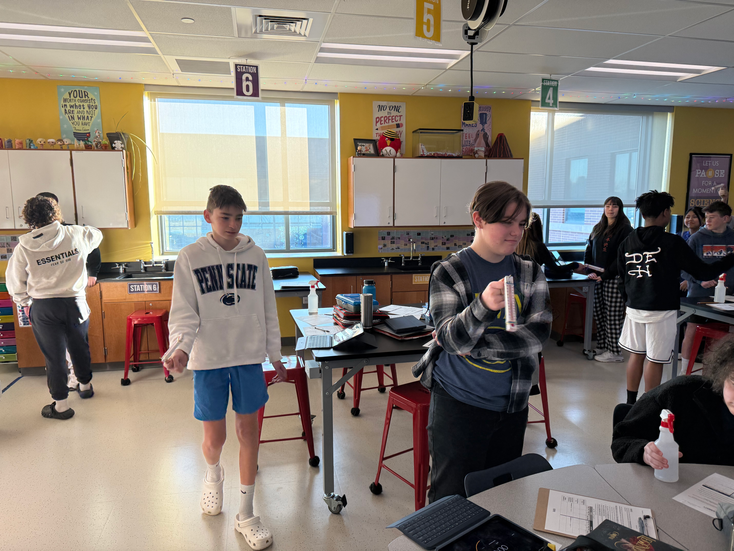
Last week, we wrapped up our Earthquake Mitigation Project, which was a big hit! Students particularly enjoyed the Stop Disasters Game, which challenged them to strategize ways to reduce the impact of earthquakes. We also connected this to the devastating 2010 earthquake in Haiti, examining the real-world consequences of such natural disasters. Using both research and the game’s simulations, students developed mitigation strategies to reduce loss of life and property damage. It was great to see their creativity and critical thinking in action!


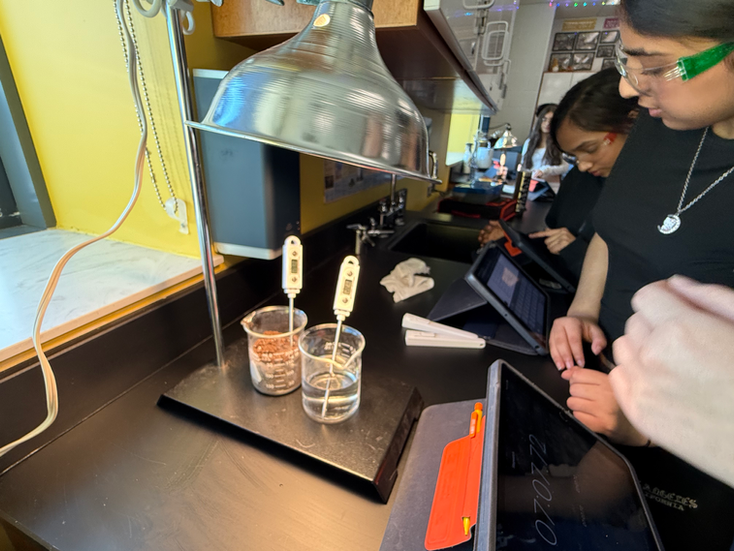
Below are photos from the project:


Where We Are

Now, we’re shifting gears to volcanoes! Students have been diving into how volcanoes and earthquakes are connected through our Plotting Natural Disasters Lab, mapping out their locations to see patterns in Earth's geologic activity. We also explored lava rocks and lava flows through an inquiry-based activity. This week, we’ll wrap up our volcano studies with a viscosity lab, where students will investigate how different types of lava impact eruptions. We’ll also watch a documentary on the catastrophic 2022 volcanic eruption in Tonga, learning about its immense impact on the Pacific island nation.


Where We Are Going

Next week, we’ll wrap up our Earth’s Processes Unit with a unit test on Friday, 2/7. Students will have three full class periods to review with a review packet and engaging games.


The test will be worth 40 points and includes:

  • 16 multiple-choice questions (16 pts)

  • 2 matching sections (2 @ 4 pts each)

  • 1 diagram-based question (6 pts)

  • 4 short-answer questions (2 @ 2 pts each and 2 @ 3 pts each)


After the test, we’ll begin our next unit: Earth’s Waters! This unit will build on what we’ve learned during the Earth’s Processes unit and connect it to our upcoming Weather & Climate unit. We’ll explore:

  • Heat Transfer

  • Phase Changes & States of Matter

  • The Water Cycle

  • Salinity & Density

  • Environmental Issues

  • Heating & Cooling Processes


This unit will not have a test—instead, the next major assessment will come in the Weather & Climate unit.


If you have any questions or want to connect further, please don’t hesitate to contact me at curtis_silverwood@conestogavalley.org. You can also follow our journey on Instagram at @classwithcatwood, where I share updates and snapshots of our exciting classroom activities.


Thank you for your time and support, and here’s to an engaging and productive start to the New Year!


Best regards,

Mr. Catwood (formerly Silverwood)


  • Jan 15, 2025

Hello everyone!


It’s been a little while since my last blog post, due to the holiday season. Let me catch you up on what we’ve been working on in class and what’s ahead for our Earth's Processes Unit.


Where We Were

After the winter break, we began our Earth's Processes Unit by delving into the topic of Continental Drift. We examined Alfred Wegener’s evidence for this groundbreaking theory, including the puzzle-piece fit of continents, fossil distribution, and geological similarities across oceans. From there, we transitioned into plate tectonics, exploring how the movement of Earth's plates shapes our planet. Through various hands-on activities, students investigated the interactions at plate boundaries—from divergent and convergent boundaries to transform faults—and discovered the incredible geologic features they can create, such as mountains, trenches, and rift valleys.


Below are photos of our Continental Drift CER Activity:


Where We Are

Currently, we are focusing on earthquakes and mass movements. Students are learning how earthquakes are recorded using seismographs and how seismic waves provide valuable insights into the Earth's internal structure. We’ve been analyzing P- and S-waves and discussing how they help us understand what lies beneath the surface. This week, students are applying this knowledge in our Earthquake Triangulation Lab, where they used data and tools to locate the epicenters of earthquakes. Alongside this, we are exploring how mass movements like landslides and avalanches shape the Earth’s surface over time.


Below are Photos of the Earthquake Triangulation Lab:


Where We Are Going

Looking ahead, we’ll be starting our Earthquake Mitigation project using the Stop Disasters Game. This exciting activity will challenge students to design strategies that help cities and countries prepare for earthquake disasters, minimizing damage, loss of life, and other negative impacts. Over the next few class periods, we’ll explore the importance of planning and infrastructure in disaster mitigation. After completing this project, we’ll transition into the final section of our Earth's Processes Unit focusing on Volcanoes.


Mark your calendars! Our unit test is tentatively scheduled for Friday, February 7th. Don’t worry—there will be plenty of time to review in class so everyone feels confident and prepared.


Additionally, the Marking Period ends this Friday, January 17th. I do not offer extra credit opportunities. Students should have already turned in all missing work.


If you have any questions or want to connect further, please don’t hesitate to contact me at curtis_silverwood@conestogavalley.org. You can also follow our journey on Instagram at @classwithcatwood, where I share updates and snapshots of our exciting classroom activities.


Thank you for your time and support, and here’s to an engaging and productive start to the New Year!


Best regards,

Mr. Catwood (formerly Silverwood)


Hey everyone,


Welcome to our latest science class update! We’ve been busy uncovering the fascinating story of Earth’s past, and I’m excited to share what we’ve accomplished and where we’re headed next. Read on to learn about our journey through Earth’s History, the exciting project we’re starting work on now, and what’s coming up in the weeks ahead (after winter break!).


Where We Were

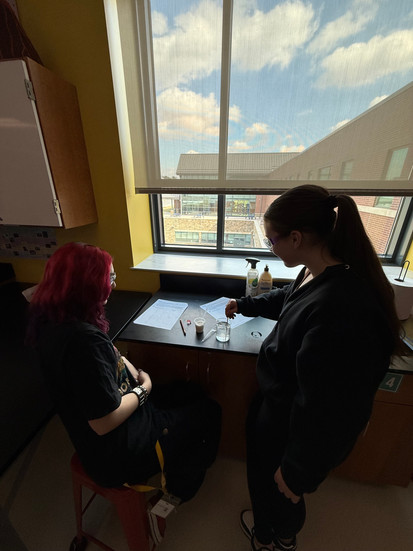
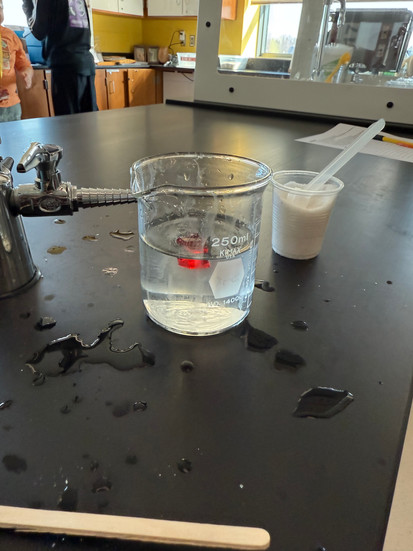
Since Thanksgiving break, we’ve been diving into our Earth’s History unit. Students explored the structure of our planet and investigated different types of rocks, including how they form and change over time. This foundational knowledge has set the stage for understanding the broader story of Earth’s evolution and the processes that shape our world. Through engaging lessons, hands-on activities, and meaningful discussions, students have been building their understanding of the dynamic planet we call home.


Below are images from our Sedimentary Rock Activtiy, Weathering & Erosion Experiment, and Igneous Rock Demos (grayish wax representing extrusive igneous rocks and colorful speckly wax representing the intrusive igneous rocks):


Where We Are

We are wrapping up our Earth’s History unit with an exciting focus on the geologic time scale. Students are beginning their Geologic Time Travel project, where they will act as travel agents for a make-believe company called ChronoVacations. Their task is to research a specific time in geologic history, highlight key events, and relate these to the topics we’ve been learning about.


Students can create a poster, brochure, slide presentation, or radio commercial for their project. They’ll have three full class days to work on their projects, and on Thursday, the 19th, we’ll hold presentations. This weekend is an excellent opportunity for students to review their project packets and get a head start on research. Preparation will help them make the most of their class time, whether they work individually or with a partner.


Where We’re Going

After the Geologic Time Travel project, we’ll begin our next unit on Earth’s Processes. This unit will seamlessly connect with what we’ve learned in Earth History as we investigate plate tectonics, earthquakes, volcanoes, and other mass movements. These exciting topics will give students a deeper understanding of how Earth’s surface is shaped and reshaped over time.


If you have any questions or want to connect further, please don’t hesitate to contact me at curtis_silverwood@conestogavalley.org. You can also follow our journey on Instagram at @classwithcatwood, where I share updates and snapshots of our exciting classroom activities.


Thank you for your time,

Mr. Catwood (formerly Silverwood)


© 2025 by Curtis Catwood. Created with Wix.com

bottom of page